In the realm of commercial and industrial construction, raised panel flooring has emerged as a game – changer, offering a multitude of benefits, with ventilation being one of the most significant. As a supplier of raised panel flooring, I have witnessed firsthand how this innovative flooring solution can transform the ventilation dynamics of a space. Raised Panel Flooring
Enhanced Air Circulation
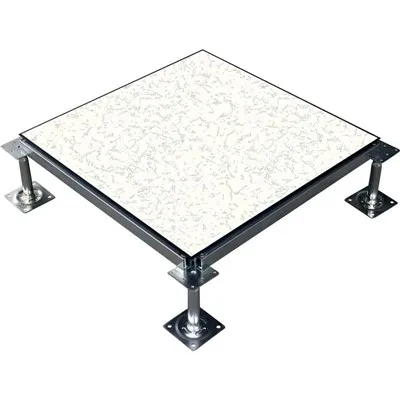
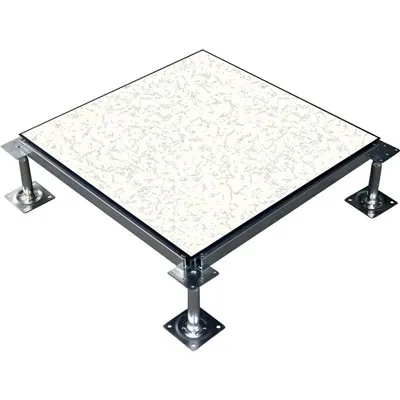
One of the primary ventilation benefits of raised panel flooring is its ability to improve air circulation. Traditional flooring systems often leave little to no space for air to move freely beneath the surface. In contrast, raised panel flooring creates an under – floor plenum, a large open space between the structural floor and the raised panels. This plenum acts as a duct system, allowing air to flow more efficiently throughout the room.
In a typical office environment, for example, the HVAC (Heating, Ventilation, and Air Conditioning) system can distribute conditioned air through the under – floor plenum. The air then rises through perforated panels or grilles, reaching the occupied space. This method of air distribution ensures that fresh air is evenly distributed, reducing the formation of stagnant air pockets. Stagnant air can lead to a build – up of pollutants, odors, and moisture, which can negatively impact the health and comfort of the occupants.
The improved air circulation also helps in maintaining a more consistent temperature throughout the space. In areas where there are heat – generating equipment such as servers in a data center, the under – floor plenum can be used to direct cool air to these hot spots. This targeted cooling reduces the load on the HVAC system, leading to energy savings and a more efficient operation.
Removal of Pollutants
Raised panel flooring plays a crucial role in removing pollutants from the indoor environment. As air circulates through the under – floor plenum, it can carry away dust, dirt, and other airborne particles. These particles are then filtered out by the HVAC system before the air is recirculated back into the space.
In a manufacturing facility, where there may be a significant amount of dust and debris generated during the production process, raised panel flooring can help in keeping the air clean. The under – floor plenum acts as a collection area for these particles, preventing them from settling on the floor and being kicked up into the air by foot traffic. This not only improves the air quality but also reduces the wear and tear on the flooring surface.
In addition to dust and dirt, raised panel flooring can also help in removing volatile organic compounds (VOCs). VOCs are emitted by many building materials, furniture, and cleaning products. They can cause a variety of health problems, including headaches, dizziness, and respiratory issues. The under – floor ventilation system can draw these VOCs away from the occupied space, reducing the exposure of the occupants to these harmful substances.
Moisture Control
Another important ventilation benefit of raised panel flooring is its ability to control moisture. In areas with high humidity levels, such as basements or areas near water sources, moisture can seep into the floor and cause damage to the flooring material and the underlying structure. Raised panel flooring creates a barrier between the structural floor and the occupied space, preventing moisture from rising up.
The under – floor plenum allows for the circulation of dry air, which helps in reducing the humidity levels in the space. This is particularly important in areas where sensitive equipment or materials are stored, as high humidity can cause corrosion and damage to these items. For example, in a museum, where valuable artifacts are displayed, raised panel flooring can help in maintaining a stable humidity level, protecting the artifacts from damage.
Energy Efficiency
Raised panel flooring can also contribute to energy efficiency in a building. By improving air circulation and temperature control, the HVAC system can operate more efficiently. The under – floor plenum allows for a more targeted distribution of air, reducing the need for large – scale air movement. This means that the HVAC system can use less energy to achieve the same level of comfort.
In addition, the ability to remove pollutants and control moisture can also reduce the energy consumption of the building. For example, if the air quality is poor, the HVAC system may need to work harder to filter the air. By using raised panel flooring to improve air quality, the load on the HVAC system is reduced, resulting in energy savings.
Flexibility in Ventilation Design
One of the unique advantages of raised panel flooring is its flexibility in ventilation design. The under – floor plenum can be customized to meet the specific ventilation requirements of a space. For example, in a large open – plan office, the plenum can be designed to provide a uniform distribution of air throughout the space. In a data center, the plenum can be configured to direct cool air to the server racks, ensuring optimal cooling.
The perforated panels or grilles used in raised panel flooring can also be adjusted to control the airflow. This allows for a more precise control of the ventilation system, ensuring that the air is distributed exactly where it is needed. This flexibility in design makes raised panel flooring suitable for a wide range of applications, from commercial offices to industrial facilities.
Improved Indoor Air Quality
All of these ventilation benefits ultimately lead to improved indoor air quality. Good indoor air quality is essential for the health and well – being of the occupants. By providing a more efficient ventilation system, raised panel flooring can reduce the risk of respiratory diseases, allergies, and other health problems associated with poor air quality.
In a healthcare facility, for example, where patients are more vulnerable to infections, raised panel flooring can help in maintaining a clean and healthy environment. The improved air circulation and pollutant removal can prevent the spread of airborne pathogens, reducing the risk of hospital – acquired infections.
Conclusion
As a supplier of raised panel flooring, I am confident in the ventilation benefits that this product offers. From enhanced air circulation and pollutant removal to moisture control and energy efficiency, raised panel flooring is a valuable addition to any building. Whether you are designing a new commercial space or renovating an existing one, raised panel flooring can provide a cost – effective and efficient solution for your ventilation needs.
Technical Floor If you are interested in learning more about the ventilation benefits of raised panel flooring or would like to discuss a potential project, I encourage you to reach out. Our team of experts is ready to assist you in finding the right raised panel flooring solution for your specific requirements. We can provide detailed information, product samples, and design recommendations to ensure that you make an informed decision.
References
- ASHRAE Handbook – HVAC Systems and Equipment. American Society of Heating, Refrigerating and Air – Conditioning Engineers.
- Building Science Corporation. "Ventilation in Buildings." A comprehensive guide on building ventilation principles.
- International Facility Management Association (IFMA). "Best Practices for Indoor Air Quality in Commercial Buildings."
Fineco Tech Co., Ltd.
As one of the most professional raised panel flooring manufacturers and suppliers in China, we’re featured by quality products and good service. Welcome to wholesale customized raised panel flooring made in China here from our factory. If you have any enquiry about cooperation, please feel free to email us.
Address: Wuyue Square, Wujin District, Changzhou, Jiangsu, China
E-mail: info@finecotech.com
WebSite: https://www.finecoglobal.com/
