If you’re in the marine, industrial power generation, or material handling space, you know auxiliary machinery isn’t just “add-on stuff”—it’s the backbone that keeps core systems running. As someone who supplies these components (think pumps, compressors, cooling systems, and control units) for a living, I get asked all the time: “Who actually makes the good stuff that doesn’t break down when you need it?” Auxiliary Machinery
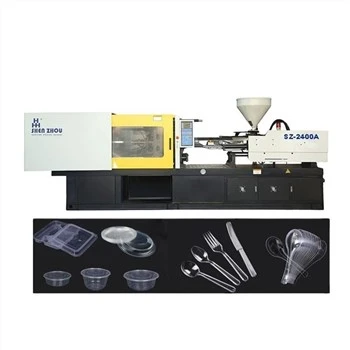
Let’s cut to the chase. Not all auxiliary machinery manufacturers are created equal. Some are old-school players who’ve been in the game for a century, some are lean tech-focused startups, and a few have built their rep on niche expertise. I’ve worked with most of the big names over the years, and I’ve got the real tea on who’s leading right now—no corporate fluff here.
First up, the OG global heavyweights. These guys don’t mess around when it comes to scale and reliability. Most shipyards and big power plants have at least one of their components installed, and for good reason. They’ve spent decades refining their processes, so their gear is built to handle harsh environments—saltwater corrosion, extreme heat, 24/7 operation, you name it. The downside? Their lead times can be brutal, and they don’t always bend on custom requests if you’re a small-to-mid-sized operation. But if you need a workhorse that’s going to outlast whatever you throw at it, these are your go-tos.
Then there’s the mid-tier specialists. This is where a lot of my suppliers fall. They’re not household names like the big guys, but they’re killing it in specific niches—say, high-efficiency wastewater pumps for industrial facilities or compact compressors for mobile power units. They’re smaller, so they’re way more flexible: they can tweak designs to fit your exact setup, get parts to you faster, and actually talk to the engineers when you have a problem. I’ve had way fewer headaches with these than the massive corporations, because they pay attention to detail instead of churning out thousands of identical units.
Wait, let’s not sleep on the tech-driven up-and-comers either. A few years back, I wrote off these startups as unproven, but a couple have blown me away with their smart, connected auxiliary gear. They build components with built-in sensors that track performance in real time—so you can catch a failing part before it causes a shutdown. That’s a game-changer for operators who can’t afford downtime. Sure, their pricing is a bit higher upfront, but the reduced maintenance and less downtime end up saving you way more in the long run. Plus, they’re innovative—they’re using better materials and energy-efficient designs that the old guard still hasn’t caught up on.
Now, let’s get specific. Let’s talk about the exact players you’ll actually encounter if you’re sourcing auxiliary machinery.
The first heavyweight is one of the oldest names in marine equipment—they’ve been making auxiliary pumps and refrigeration units since the 1800s. If you’ve walked through a big cargo ship’s engine room, odds are you’ve seen their logo on a component. Their stuff is solid, no frills, and interchangeable with most existing systems, which is a huge plus for retrofits. The only catch is, if you need a custom part, their quoting process takes forever—like, six weeks minimum. But if you’re replacing a stock pump on a 20-year-old vessel, you can’t go wrong here.
Another heavyweight focuses on power generation auxiliary gear. They dominate the market for industrial cooling towers, gas compressor units, and exhaust gas handling systems. They work with almost all the major power plant builders, and their components are standard on new plants. Their tech is top-tier, especially when it comes to reducing emissions, which is a big deal right now with new environmental regulations. But again, they cater to huge clients—if you’re a small manufacturer with a 5-megawatt plant, they might not even return your call.
Now, the mid-tier specialist I actually rely on most for general industrial auxiliary stuff. They’re based in Europe, but they ship worldwide, and they specialize in variable-speed pumps and hydraulic units. I’ve used their gear for everything from food processing plants to construction equipment, and it’s never let me down. They’re willing to adjust designs—last year, we needed a pump that could run on both 50Hz and 60Hz power for a client who shipped equipment across the globe, and they had a prototype ready in two weeks. That’s the kind of agility you don’t get from the big guys.
For those smart, connected auxiliary systems, I’ve partnered with a small startup out of North America that’s focused on IoT-integrated auxiliary compressors. Their sensors track everything from temperature to vibration, and they send alerts to your phone or laptop when a part is wearing out. I installed one on a client’s packaging line last year, and it caught a faulty bearing three days before it would have failed—saving them $20,000 in downtime. The only downside is their gear is still pretty new, so replacement parts are a bit harder to find in remote locations. But if you’re in an area with good logistics, it’s worth the extra cost.
Wait, there’s a niche player too, and this one’s for marine auxiliary navigation and control systems. They’re not as big as the others, but they’re the go-to for smaller fishing fleets and private yachts. Their stuff is compact, easy to install, and way more user-friendly than the clunky systems from the big brands. I’ve used their control units on a few smaller vessels, and the captains love that they don’t need a engineering degree to operate them.
Now, let’s be real—choosing the right manufacturer isn’t just about the name on the box. For me, as a supplier, I factor in a bunch of stuff: lead times, spare parts availability, technical support, and cost. The big names have great parts support, but they’re expensive. The mid-tiers are cheaper and more flexible, but you have to do your research to make sure their quality is consistent. The startups have cool tech, but they’re still ironing out kinks.
I’ve seen too many people go for the cheapest option, only to end up with a part that breaks in six months. Or go for the most expensive big-brand part and spend three weeks waiting for a replacement when it fails. The sweet spot? Matching the manufacturer to your exact needs. If you’re a 10,000 TEU cargo ship with a 20-year lifespan, go with the heavyweight for long-term reliability. If you’re a small food processing plant that needs a custom pump next week, go with the mid-tier specialist. If you want to future-proof your system with smart tech, the startup is worth the extra investment.
As someone who works directly with clients to source the right auxiliary machinery, I can’t stress this enough: don’t just stick to the same old names. Talk to a supplier who knows the space, ask about their niche expertise, and test a small batch of parts if you can. I’ve saved so many clients from bad buys just by connecting them with the right manufacturer for their specific setup.

If you’re in the market for auxiliary machinery—whether you’re building a new system, retrofitting an old one, or replacing a broken part—hit me up to chat. I can walk you through different manufacturers, break down pros and cons for your use case, and even help you compare pricing and lead times. No sales pitch, just straight talk about what works and what doesn’t.
Injection Blowing Machine References
- Marine Auxiliary Machinery Industry Report, Global Market Insights, 2024
- Industrial Auxiliary Equipment Manufacturing Outlook, International Association of Industrial Equipment Distributors, 2023
- IoT in Auxiliary Machinery: Market Trends and Adoption, Allied Market Research, 2024
Shenzhou Machinery Co., Ltd.
As one of the most professional auxiliary machinery manufacturers and suppliers in China, we’re featured by quality products and good price. Please feel free to buy advanced auxiliary machinery made in China here from our factory. We also accept customized orders.
Address: Fenghuang Town, Zhangjiagang City, Jiangsu Province, P.R.China
E-mail: sale@shenzhoumac.com
WebSite: https://www.shen-zhoumachinery.com/
