If you’ve ever spent time troubleshooting a stuck cabinet lock, prying open a stuck locker, or upgrading security on a storage unit, you’ve probably noticed that not all cam locks are created equal. As someone who’s spent the last decade working with cam locks—first learning the trade in a small hardware shop, now leading a small, family-run cam lock supply business—I get more questions about cam lock keyways than any other part of our product line. Most people assume a keyway is just a slot for a key to turn, but choosing the wrong one can turn a simple lock into a security headache, or even lead to parts breaking mid-use. Today, I’m breaking down the most common cam lock keyway types, their uses, and why getting this right matters if you’re ordering locks for your business or facility. Cam Lock
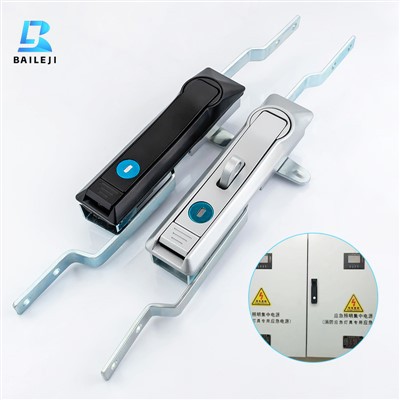
First, let’s get the basics straight: a keyway is the narrow, shaped slot inside a cam lock’s cylinder that matches the profile of your key. It’s not just a straight cut to let the key slide in—its unique shape (we call that the “bitting profile”) ensures only a matching key can turn the cam, which is what locks or unlocks your door, drawer, or cabinet. For cam locks, the keyway’s design has to work hand in hand with the cam’s size and the lock’s intended use. You wouldn’t use a residential mailbox keyway for a high-security server cabinet, right? That’s where a lot of people go wrong: picking a keyway based on appearance instead of its functional purpose.
Let’s start with the most common keyway we see in our shop: the standard straight keyway, often called a “straight slot” or “flat keyway.” This is the kind you’d find on basic cabinet locks, locker locks, and small storage unit locks. It’s exactly what it sounds like: a straight, rectangular slot cut into the cylinder, matching a standard flat metal key. What makes this keyway popular is its simplicity. It’s cheap to manufacture, easy to cut keys for, and works for low-security uses where the main goal is basic access control. But here’s the catch: it’s also the least secure. Any flat metal bar or even a thick paperclip (if bent just right) can slide into that straight slot and turn the cam. We recommend straight keyway locks only for interior uses—like a break room cabinet for office supplies, or a gym locker that doesn’t hold valuables. I still remember a customer who came to us last year because their straight keyway locker locks were being tampered with; someone had been sliding flat plastic cards into the slots to open lockers during a busy summer camp. That’s when they switched to a more secure keyway, and it solved the problem overnight.
Next up, a step above the straight keyway: the pin keyway, sometimes called a “pin tumbler keyway.” This is the keyway you’ll find on most mid-security cam locks, like those used for server racks, tool chests, or office file cabinets. Unlike the straight slot, the pin keyway has small, raised pins inside the cylinder that line up with matching grooves on the key. Only when all the pins are aligned correctly can the key turn the cylinder. That makes it much harder to pick or tamper with than a straight keyway. We use pin keyway cam locks for a lot of our commercial clients—small businesses, schools, and even small warehouses. They offer a good balance of security, affordability, and ease of key duplication. A lot of people confuse pin keyway locks with traditional door locks, but cam lock pin keyways are smaller, compact, and built to fit into the tight spaces of drawers and cabinet doors. I’d advise anyone ordering locks for tools, documents, or small valuables to go with a pin keyway—it’s not as pricy as high-security options, but it’s way more reliable than the basic straight slot.
Now, if you need something for higher-stakes use, there’s the tubular keyway (also called a barrel keyway). This keyway is shaped like a circle, with small holes drilled along its circumference, matching the pins on a tubular key. Tubular keys are round, so they can’t be easily picked with standard lock picks, and they’re much harder to duplicate without a specialized machine. That makes tubular keyway cam locks ideal for uses like vending machines, parking meter locks, or even utility boxes that hold expensive equipment. We’ve sold a lot of tubular keyway locks to coffee shop chains for their cash registers—one chain reported that since switching from straight keyway locks, they’ve cut down on internal theft by 70% because staff can’t just grab a random flat key to open registers. The only downside to tubular keyway locks? Keys are a bit more expensive to replace, and if you lose your key, you’ll need to get it duplicated by a locksmith who has the right tubular key machine. For most commercial clients, that trade-off is worth it for the security boost.
Then there’s the dimple keyway, a type we’ve seen growing in popularity over the last five years, especially for high-security applications. Dimple keyways have small, round dimples on the face of the key, rather than the traditional blade grooves. The keyway in the cam lock matches these dimples, and the pins inside the cylinder line up with each dimple. What makes dimple keyways unique is that they have a much larger number of possible key combinations than other keyway types—like millions of unique keys, compared to a few thousand for pin keyways. That makes them almost impossible to pick, and duplicating them requires a special high-security key machine. We use dimple keyway cam locks for clients in industries like healthcare, where they’re storing patient records, or tech companies that lock up server rooms with sensitive data. The only thing to note about dimple keyways is that they’re more expensive to manufacture, so they’re not the best choice for low-security, high-volume uses. But if you’re looking for maximum security for high-value items, this is the keyway to go with.
Wait, there’s one more keyway type that we get a lot of questions about: the universal keyway, often called a “master key compatible” keyway. A lot of businesses want a master key system, where one manager’s key can open all locks, but individual employees only have keys to open their own locks. Universal keyways are designed to work with both a standard key and a master key, which is why they’re so useful for multi-location facilities. But here’s a tip: not all universal keyways are the same. Make sure you ask for a “keyed alike” system if you want all your locks to open with the same key, or a “master key system” if you need that extra layer of control. I’ve had a few customers who ordered universal keyway locks and assumed they’d all work with the same key, only to find out they needed to specify “keyed alike” when placing their order. That’s a simple mistake, but it can save you a lot of frustration down the line.
Now, you might be wondering: how do I know which keyway is right for my needs? It comes down to three things: security level, usage, and budget. If it’s for a locker that holds towels at a gym, a straight keyway is more than enough. If it’s for a tool chest on a construction site, where theft is a risk, a pin or tubular keyway is better. If it’s for a server room with customer data, a dimple keyway is worth the extra cost. As a cam lock supplier, I always tell customers to err on the side of more security than they think they need. It’s way cheaper to invest in the right keyway upfront than to deal with a break-in or a stolen item later.
I’ve seen first-hand how the wrong keyway can cause problems. A few years back, a construction company came to us with 50 cam locks they’d bought online, all with straight keyways. They’d installed them on tool boxes at a work site, and within a week, 12 boxes had been broken into, and $10,000 worth of tools were stolen. The thieves had used cheap flat metal bars to slide into the straight keyways and pry the locks open. We replaced their locks with tubular keyway ones, and they haven’t had a break-in since. That’s why we’re so focused on educating customers about keyways—it’s not just about selling a lock, it’s about making sure our customers’ belongings are safe.
At the end of the day, the keyway is the heart of a cam lock. It’s the part that makes the lock work, and the part that determines how secure it is. Whether you’re ordering locks for a small office, a commercial facility, or a personal storage space, taking the time to pick the right keyway is the most important decision you’ll make when buying cam locks.
If you’re not sure which keyway type fits your needs, or you want to learn more about our cam lock options, feel free to reach out to our team to discuss your requirements and place an order.
Combination Lock References
- Security Lock Association. (2021). Cam Lock Keyway Standards for Commercial and Industrial Applications.
- Hardware Age Magazine. (2022). Keyway Design and Its Impact on Cam Lock Security.
- National Locksmith Association. (2020). Choosing the Right Keyway for Residential and Commercial Lock Systems.
Suzhou Baileji Intelligent Lock Industry Co., Ltd.
As one of the most professional cam lock enterprises in China, we’re featured by quality products and good price. Please rest assured to buy discount cam lock in stock here and get pricelist from our factory. Also, customized service is available.
Address: 3rd Floor, Building 9, Shengteng Industrial Park, No. 8 Ruyuan Road suzhou, jiangsu, China
E-mail: vip@bailejilocks.com
WebSite: https://www.bailejilock.com/
