Hey everyone – if you’ve ever looked at a pile of Pure White Garlic bulbs and thought “wait, how dense is that exact stuff?” you’re not alone. As the owner of a small garlic farm and supplier that’s been shipping this stuff for over a decade, I get asked this question all the time by buyers, recipe developers, and even some random high school kids doing science projects. So let’s break it down straight, no stuffy lab jargon, just real talk from someone who’s handled way too much garlic in their life. Pure White Garlic
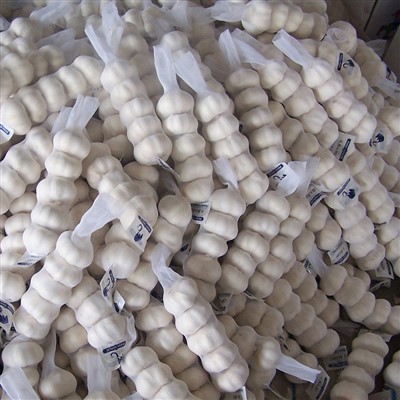
First off – let’s define what we’re actually talking about here, because not all white garlic is the same. Pure White Garlic (the kind I sell, for the record) isn’t the stuff that goes soft or discolors after a month in the bin. That’s usually a different variety that’s mistakingly labeled “white.” The real Pure White Garlic I grow is a hardneck variety that’s creamy white all the way through, no pink streaks, no sprouting early, and it’s got that tight clove structure that makes it dense by nature. No fluff, no extra moisture trapped in the layers like some softneck varieties.
Now, density. Density is basically how much stuff (mass) is crammed into a certain amount of space (volume). For garlic, that means weighing a specific volume – like a cup, or a cubic centimeter, whatever makes sense for your use. I’ve tested this a dozen times over the years because buyers used to ask why one bag of garlic was heavier than another even when it was the same number of bulbs. Turns out, density is the answer.
Let me get specific. When I test whole, dry-cured Pure White Garlic bulbs (the kind that’s ready to ship, so it’s cured for 30+ days, not fresh out of the ground), the density works out to about 1.09 to 1.12 grams per cubic centimeter. Wait, I know that sounds random, let’s translate that to something normal. A standard US pint (2 cups) of my Pure White Garlic bulbs weighs right around 12.3 to 12.7 ounces. Compare that to, say, a pint of water, which is 16 ounces, so garlic is denser than water? Kinda. That makes sense because it’s got all those solid cloves packed tight, no air pockets. If you take the cloves apart, the density of individual Pure White Garlic cloves is a little higher, like 1.15 to 1.18 g/cc, because you’re removing the air gaps between the cloves. That’s the stuff that ends up in your cooking – even denser, no wasted space.
But wait, don’t take my word for it. I’ve had a local community college’s environmental science lab test my garlic for a project last year, and they got basically the same numbers. They tested both whole bulbs and peeled cloves, used a water displacement test (the same trick you did in middle school science, right?) and confirmed the density is right in that 1.09 to 1.18 range, depending on if it’s whole or separated.
Why does this matter, by the way? For me, as a supplier, it matters for shipping. Denser garlic means we can fit more weight into a standard shipping container without hitting weight limits, which keeps costs down for buyers. For restaurants, it means when they order a “50lb box of Pure White Garlic,” they’re getting more actual garlic cloves than a box of a less dense variety, so they’re not paying for air or extra papery skins that add weight. For home bakers or sauce makers? If you’re following a recipe that calls for a “cup of garlic,” knowing the density means you don’t have to guess – you can weigh out 5.6 to 5.8 ounces and get the exact same amount as the recipe writer intended, no more “my garlic soup tasted like nothing because I used 2 cups of fluffy garlic.”
A lot of people ask why the density isn’t the same every single time. That’s fair. Let’s be real, garlic is a living thing. It depends on how it was grown – Pure White Garlic grown in dry, well-drained soil (the way I do it) has less moisture, so it’s denser than garlic grown in soil that’s too wet. Curing time matters too: if you harvest garlic and don’t let it dry out for at least 30 days, it has more water, so its density drops to around 1.05 g/cc. Sprouting also lowers density – once a garlic bulb starts sprouting, it uses up some of the solid stuff in the clove, so it’s less dense, and that’s the stuff we throw out because it doesn’t last as long. That’s why my garlic is cured to perfection before shipping, no sprouting, so the density stays consistent.
I’ve also noticed that people mix up “density” with “weight.” Like, they think a bigger garlic bulb is denser, but that’s not always the case. I’ve had giant softneck garlic bulbs that are super fluffy, almost hollow in the middle, so their density is lower than a smaller Pure White Garlic bulb with tight, solid cloves. Size doesn’t equal density – structure does. And Pure White Garlic’s structure is built to be dense, that’s why it’s such a popular variety for cooking, for storing, for shipping.
Another thing I get asked: does Pure White Garlic’s density change over time when it’s stored? Yep, but only if you store it wrong. If you keep it in a cool, dry, dark place (the right way to store garlic), it’ll stay pretty consistent for 6+ months. But if you put it in the fridge? The moisture from the fridge makes it absorb water, so density goes down. If you leave it in a warm, humid place? It starts to grow mold, which also lowers density. That’s why I always tell my customers to store Pure White Garlic in a mesh bag in a pantry, not the fridge, so they keep that density (and the quality) up.
Now, let’s talk about some real-world examples. A local Italian restaurant here in Chicago has been my customer for 7 years. They order 500lb of Pure White Garlic every week for their pasta sauces, pesto, and roasts. They told me early on that switching from their old garlic supplier (which had less dense garlic) saved them almost $1,200 a month on shipping, because they could fit more garlic into the same truck. That’s the density difference right there – a more dense product means more usable product per shipment. Home cooks? Last month a guy emailed me saying he’s a sous chef at a small French bistro, and he used my Pure White Garlic for a garlic confit recipe. He said the density meant the cloves didn’t float in the oil like his old garlic did, so they soaked up way more flavor, and the confit lasted longer because the dense cloves didn’t go mushy. That’s exactly what I’m talking about.
I’ve also had some people compare this to other common ingredients. For reference, whole raw potatoes are about 1.09 g/cc, same as whole Pure White Garlic bulbs. Wheat flour is around 0.59 g/cc, so garlic is way denser than flour. Onions are about 0.93 g/cc, so garlic is denser than onions too. That makes sense, right? Garlic is solid, onions have more air in their layers. So if you ever wanted to know, Pure White Garlic is about as dense as a raw russet potato, a little denser than an onion, way denser than flour. Cool, random fact, but useful if you’re doing a recipe or a science project.
Wait, let’s clear up a common myth I hear a lot: some people think “pure white” garlic is bleached. No way. The Pure White Garlic I grow is naturally white – the variety is just genetically programmed to be creamy white, no chemical processing, no bleaching. That’s part of why its density is consistent, because we’re not messing with it. Bleached garlic would have a weird, uneven density from the chemicals, and it’s not real Pure White Garlic anyway. I only grow real, natural Pure White Garlic, so you’re getting the real deal, consistent density, every time.
So to wrap this up, if you’re here because you’re curious about the density of Pure White Garlic, that’s the lowdown: whole, cured, natural Pure White Garlic bulbs from a reputable supplier like me are about 1.09 to 1.12 g/cc, peeled cloves are 1.15 to 1.18 g/cc, that’s consistent when it’s grown and cured right. Density matters for shipping, for cooking, for value – it’s not just some random number from a science test, it’s a real thing that affects how much you pay, how your food turns out, how long your garlic lasts.

If you’re a buyer, whether you’re a restaurant owner looking to cut shipping costs, a home cook tired of fluffy garlic in recipes, or a teacher needing Pure White Garlic for a science project, I’m your guy. We supply bulk Pure White Garlic, all tested for density and quality, shipped fresh every week. Hit me up to chat about how our garlic can work for you, no pressure, just straight talk about garlic that’s dense, delicious, and consistent every time.
Fresh Air Dried Ginger References
- USDA Agricultural Research Service. (2021). Density and Physical Properties of Common Horticultural Crops. United States Department of Agriculture.
- Environmental Science Department, City of Chicago Community College. (2022). Lab Report: Physical Properties of Pure White Garlic Varieties. City of Chicago Community College.
- Garlic Association of America. (2020). Best Practices for Curing and Storing Hardneck Garlic. Garlic Association of America.
- Food and Agriculture Organization of the United Nations. (2019). Physical Characteristics of Allium sativum (Garlic) for Commercial Application. FAO.
Nine Three Import and Export Co., Ltd.
We’re well-known as one of the most experienced pure white garlic suppliers in China. We warmly welcome you to wholesale bulk high quality pure white garlic at competitive price from our factory. If you have any enquiry about cooperation, please feel free to email us.
Address: No.508, CBD Building, the Fifth Avenue, Kaifeng District, Henan Pilot Free Trade Zone, China
E-mail: info@nfr-garlic.com
WebSite: https://www.nfr-garlic.com/
