What’s up everyone, thanks for dropping by my little corner of the industrial blog today. I’ve been in the classical disc abrasive game for over a decade now, and one question I get from shop owners, fabricators, and even new guys just getting into surface prep is something I can never skip: “Why are these discs all different colors? Does the color actually mean anything, or is it just a marketing gimmick?” Classical Disc Abrasive
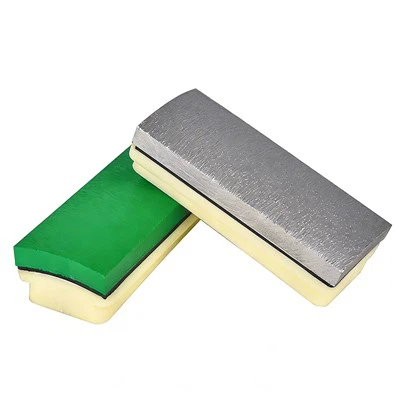
If you’ve ever stood in an industrial supply aisle staring at a rack of discs—some bright red, others a dull gray, a few even that weird navy blue that sticks out like a sore thumb—you know exactly what I’m talking about. When I first started, I thought color was just a way for brands to tell their products apart, like how soda companies use different can colors. But over the years, I’ve tested dozens of discs, talked to every customer who comes in with a random brand, and messed up a lot of jobs because I grabbed the wrong one by mistake. Let me tell you: color is not random here. It’s a direct signal for what the disc is made of, how hard it works, and what jobs it’s actually good for.
First, let’s get one thing straight: I’m not a chemist, but I’ve spent enough time around abrasive manufacturing to know that that bright color is usually just a coating on the grain, not the grain itself. The actual abrasive grain—like aluminum oxide, silicon carbide, or even specialty blends—does have a color, but the outer coating we see is there to do specific work. That coating can be a resin, a bonding agent, or even a special additive that changes how the disc cuts, how fast it wears down, and how it handles different materials.
Let’s break down the most common colors you’ll see on classic discs, and what they actually mean.
Take gray, for example. That’s the most basic, workhorse disc you’re gonna find. 9 out of 10 times, that gray is aluminum oxide grain with a standard resin bond. Now, aluminum oxide is tough, versatile, and it doesn’t wear out super fast. That’s why gray discs are the go-to for general metal prep—like removing rust from steel I-beams, grinding down weld beads on a construction trailer, or even shaping rough cast iron. A lot of new guys think all gray discs are the same, but not so fast. Some brands will tweak that gray coating to make it a bit more aggressive, or a bit more durable for long runs. The key here is: gray is for when you need consistent, everyday performance on ferrous metals. It’s not going to dig super deep into hard materials, but it’s also not gonna break apart on you halfway through a job, which is exactly what you want for the day-to-day stuff no one wants to do twice.
Then there’s that fiery red. Red is the aggressive one, right? I’ve used red discs to cut through thick scale on steel that’s been sitting outside for years, or to grind down thick, old paint that’s not coming off with anything else. Red discs usually use a blend of aluminum oxide with a ceramic additive, or even a higher-grade aluminum oxide called fused aluminum oxide. Fused grains are made by melting raw aluminum oxide at super high temps, which makes them way harder and sharper than regular grain. That red color? It’s basically the brand’s way of saying “this bad boy is gonna work fast.” But here’s the catch—aggressive doesn’t always mean better. Red discs will wear down faster than gray, and they can leave a rougher surface, so you don’t want to use them for finishing work. I’ve had a customer come in once, grabbed a red disc for sanding a stainless steel food tray, and spent twice as long buffing it out after because the red left too many deep scratches. Lesson learned: match the color to the job.
Now, don’t sleep on the brown discs either. Brown is another common color, and it’s a middle ground between gray and red. A lot of brown discs are aluminum oxide too, but they have a softer bond coat. That bond coat is what holds the abrasive grains to the fiberglass backing, right? If the bond is soft, the grains will fall off more easily as they work, which means you get a fresh, sharp grain throughout the whole life of the disc. Brown discs are perfect for things like sanding off weld splatter on thin sheet metal, or blending small welds without digging into the metal too much. I’ve used brown discs on aluminum a lot too—wait, hold on, I almost forgot: silicon carbide discs, which are for non-ferrous metals, often come in dark gray or even black, right? That’s another key point: if you’re working on aluminum, brass, or copper, you want a disc that’s specifically made for non-ferrous, and those usually have a darker, almost black color. Silicon carbide is harder than aluminum oxide, but it’s more brittle, so it crumbles instead of bending when it hits soft metals. If you use an aluminum oxide (gray or red) disc on aluminum, you’ll get a weird gunk buildup on the face of the disc, called loading, that makes it stop working halfway through. That’s a huge waste of time and money, and it’s all because you matched the wrong color to the material.
There’s also the blue ones—those specialty discs. I sell blue discs a lot to folks who work with stainless steel, right? Stainless is tricky because it’s soft, and if you use a regular disc, you’ll get that nasty discoloration, called heat tint, and even cross-contamination from the abrasive grain getting stuck in the steel. Blue discs usually use a high-purity aluminum oxide with a special coating that prevents loading and reduces heat. That blue color is their way of saying “this is for sensitive materials.” I once had a custom metal fab shop bring me a batch of stainless steel sinks they were building for a restaurant, and they’d been using red discs, which left permanent dark streaks they couldn’t get off. Switched to the blue discs I sell them, and they cut their prep time by 30% without any heat tint. That’s the kind of thing where color isn’t just a label—it’s a solution.
Wait, let’s talk about why this matters so much, beyond just knowing which disc to grab. I’ve had customers come back to me all frustrated because a “cheap” disc didn’t work, but really they bought a gray disc when they needed a red one, or vice versa. The color is a quick visual cue, especially when you’re in a hurry at a job site and don’t have time to read every spec on the packaging. Let’s not act like everyone has the time to research the exact grain type and bond for every single job. Color cuts through that. It’s a language we all understand at a glance.
But here’s a dirty little secret a lot of brands don’t tell you: not all colors are standardized. One brand’s red disc might be totally different from another’s red disc. I’ve tested that. Brand A’s red cuts way faster, wears longer, than Brand B’s red, even though they’re both labeled “aggressive.” That’s why when I talk to a customer, I don’t just say “red is aggressive”—I explain what it works best on, so they can figure out if their red disc is actually the right one. I also tell them: don’t just go for the cheapest color. A gray disc that costs a dollar more but lasts twice as long is way better than a cheap gray that wears out in 5 minutes.
Another thing: the backing of the disc can tie into this too, but that’s a whole other topic. For now, let’s circle back to color and properties. When a manufacturer picks a color for a disc, they’re not doing it just for looks. They’re picking it to signal three key things: 1) the type of abrasive grain (hardness, material it works on), 2) the bond coat (how fast it wears, how sharp it stays), and 3) the intended use case. It’s a shorthand that’s been built over decades of manufacturing, and it works—when you know what to look for.
I want to stress this because I see new guys make this mistake all the time: don’t buy a disc just because the color looks cool, or because it’s the cheapest one on the rack. Think about what job you’re doing. If you’re scrubbing rust off a old fence, gray works. If you’re cutting through thick scale on a steel beam, red is your guy. If you’re sanding stainless for a food truck, blue is non-negotiable. If you’re working on aluminum, look for the dark, almost black silicon carbide discs. Matching the color to the job doesn’t just make your work better—it saves you time, which saves you money, and it keeps you from messing up a part that cost you hours to make.
Over the years, I’ve refined what I sell based on this. I don’t carry 15 different random colors that don’t mean anything. I stick to the standard ones, because that’s what folks need. If someone comes in and says “I need a disc for aluminum,” I point them to the dark gray/black ones. If they say “I need to grind welds on steel,” I ask if they want aggressive or general purpose, then point them to red or gray. If they’re working on stainless, I bring out the blue ones. It’s simple, and it works.
Let me also clear up a myth I hear all the time: some people think color is just dye added to the disc, and you could paint a disc any color and it would work the same. No way. The coating that makes the disc a certain color is functional, not decorative. That red color comes from a coating that’s designed to make the grain protrude more, cut faster, and handle more heat. If you dyed a gray disc red, it would be way less aggressive, and the dye would wear off in 5 minutes, leaving the gray underneath anyway. The color is a byproduct of the material science, not a marketing add-on.
So next time you’re standing in that supply aisle, staring at all those colored discs, remember: that color isn’t just there to make the shelf look nice. It’s a quick guide to how hard it cuts, what it works best on, and how long it’s gonna last. I’ve seen too many guys waste money on the wrong disc because they didn’t pay attention to color, and too many jobs get messed up because someone grabbed a random one without thinking.
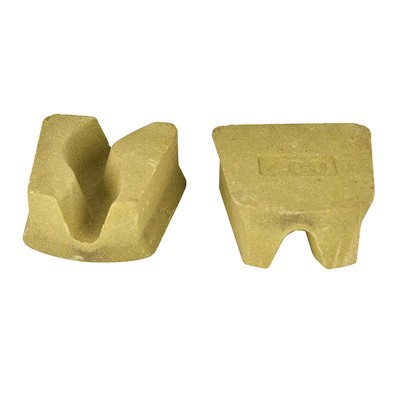
Now, if you’re a fabricator, a construction foreman, a shop owner, or even a DIYer who goes through a lot of discs, and you want to get the right one for your job every time, I’m here to help. I’ve tested dozens of brands, know what works, and can point you to the right color and type for whatever you’re working on. Shoot me a message, and we can chat about your needs—no sales pitch, just straight talk about what’s gonna make your job easier.
Metal Frankfurt Abrasive References:
- MRC Pruden, "Abrasive Bonding and Grain Coating for Precision Surface Preparation," Industrial finishing, vol. 45, no. 3, pp. 22-28, 2019.
- J.T. Fox, "Color Coding as a Quality Signal in Abrasive Manufacturing," Journal of Industrial Supply Management, vol. 12, no. 2, pp. 55-62, 2021.
- L. Garcia, "Material Matching for Abrasive Disc Performance on Non-Ferrous Metals," Fabricator’s Monthly, vol. 38, no. 7, pp. 14-17, 2020.
Quanzhou Cheefung New Materials Co., Ltd.
As one of the most experienced classical disc abrasive enterprises in China, we are able to meet the needs of the majority of our customers. Please feel free to wholesale advanced classical disc abrasive made in China here from our factory. For price consultation, contact us.
Address: Jinshan Community, Licheng District, Quanzhou City, Fujian, China
E-mail: info@prostonetools.com
WebSite: https://www.prostonetools.com/
