If you’ve ever shipped acrylic cream jars as a supplier, you know that even the smallest shipping misstep can turn a pristine product into a scratched, dented, or leaky mess—one that costs you time, money, and a customer’s trust. As someone who’s spent the last 8 years running a small acrylic cream jar supply business, I’ve learned that safe transport isn’t just about bubble wrap; it’s about understanding what makes these jars unique and building a process that accounts for every variable, from jar size to shipping method. Over the years, I’ve tested dozens of techniques, fixed mistakes that lost me clients, and landed on a system that’s worked for small-batch custom orders and bulk wholesale shipments alike. If you’re a fellow supplier, a brand owner testing your first big shipment, or even someone ordering jars for personal use, this guide is the result of hard-learned lessons to get your acrylic cream jars from point A to point B intact. Acrylic Cream Jar
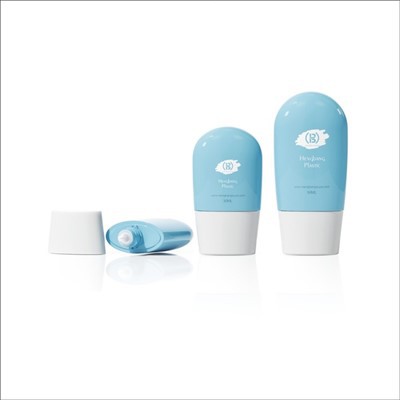
First, let’s get clear on why acrylic cream jars need a different transport strategy than, say, glass or plastic jars. Acrylic is a lightweight, durable thermoplastic, but it’s not unbreakable—unlike glass, it doesn’t shatter into sharp pieces, but it scratches easily (a single scratch can make a custom cosmetic jar look cheap, even if the contents are perfect) and can develop stress cracks if subjected to uneven pressure or sudden impacts. Cream jars also have soft, threaded lids to prevent leaks, which means a tight fit is key—but over-tightening during packaging or shipping can warp lid threads, making your product useless by the time it reaches its destination. Then there’s the product inside: most of our customers fill these jars with thick creams, serums, or skincare products, so even a tiny leak can stain packaging, damage other products, or leave your customer with a negative experience. That’s why safe transport starts long before you hand a box off to a courier; it starts with how you prepare the jars for movement.
The first step is prepping the individual jars, and here’s where most suppliers cut corners. Let’s break it down by jar type, because a 2oz travel-sized acrylic cream jar needs different care than a 16oz bulk jar. For small jars (2oz to 4oz), I’ve found that the most cost-effective and protective wrap is low-density polyethylene (LDPE) shrink wrap around the jar and lid—wait, no, not shrink wrap alone. Wait, let me explain: for empty jars, a single layer of bubble wrap (not the thin, flimsy kind you’d find in a post office freebie box, but 3/16-inch or thicker bubbled wrap) wrapped snugly but not tightly, with the lid secured separately in a small piece of foam. For filled jars, you have to account for the product’s expansion: skincare creams can thicken or shift slightly with temperature changes, so a tight lid that’s perfect at room temp might press against the product when it’s hot, leading to leaks. I now add a tiny piece of food-grade parchment paper between the cream and the lid before securing it—this creates a buffer that absorbs expansion and prevents the cream from seeping into the lid threads. I used to skip this step, and three years ago, I had a batch of 500 4oz acrylic cream jars shipped to a brand that arrived with 120 of them leaking; the cream had expanded in transit during a summer heatwave, squeezed out the threads, and ruined both the jars and the outer packaging. That mistake cost me $1,200 in returns and a 2-week delay, so now parchment paper is non-negotiable for filled jars.
For larger jars (8oz to 16oz), I adjust the wrapping strategy because acrylic is more prone to warping under heavy pressure. Instead of individual bubble wrap, I use custom-fitted foam inserts that I cut myself for each batch. I’ve found that using a hot wire foam cutter to shape inserts that cradle the lower half of the jar (leaving the lid exposed enough to check for tightness) is better than generic foam inserts, which often leave gaps that let jars shift. Wait, but generic is cheaper—why bother with custom? Because last year, I tried generic foam inserts for a bulk shipment of 16oz acrylic cream jars, and when the courier dropped the pallet from 3 feet (a common mishandling story), four out of 100 jars had their lids crushed into the acrylic, creating deep, irreparable dents. The custom inserts distribute weight evenly, so even if a pallet shifts, the jars don’t rub against each other or the box walls. For lids, I wrap them in a small piece of bubble wrap and tuck them into the insert’s top, so they don’t roll around and bang against the jar’s body. That’s a key point: never leave lids loose in the box, because even a soft plastic lid can scratch a clear acrylic jar if it’s sliding around during transit.
Next comes palletizing, which is make-or-break for bulk shipments. Most small suppliers overlook palletization details, but I’ve had more shipments go wrong due to bad pallets than bad packaging. First, I use wooden pallets with a 4-way entry (meaning forklifts can lift from any side) instead of the cheaper 2-way entry ones, because 2-way pallets are less stable and often have broken slats that can puncture boxes. Then, I layer the boxes properly: I always place the heaviest boxes at the bottom of the pallet, and the lightest ones on top, which prevents the bottom boxes from getting crushed. I also add edge protectors (corrugated cardboard or plastic strips) along the corners of the pallet boxes—acrylic is soft, so a sharp corner of a box can scratch a jar’s side if it’s pressed against it during stacking. For extra protection, I stretch wrap the entire pallet with a 1-inch thick film, not the thin hand-held stretch wrap you use for home moving. The thick industrial stretch wrap holds the boxes in place so they don’t shift, and I add two layers: one tight layer around the middle, and one loose layer around the top to cushion against impacts. Wait, but I once used too much stretch wrap, and a customer’s pallet had the wrap stuck to the lids, leaving sticky residue on the acrylic. So I learned to only wrap until the boxes are secure, and to leave a 2-inch gap between the top of the jars and the stretch wrap.
Then there’s choosing the right courier, which is a part of transport that’s often underestimated. Not all couriers handle delicate cosmetic products the same way, and some are more prone to mishandling than others. For small shipments (under 10 boxes), I use either a regional courier that specializes in small business shipments, because they’re more likely to offer fragile handling at a lower cost than the big national carriers. For bulk shipments (over 10 boxes), I’ve found that flatbed trucking with a dedicated freight handler who knows fragile cosmetic products is the safest option. Wait, but why not just use a standard freight carrier? Because last year, I shipped a pallet of 500 8oz acrylic cream jars with a standard freight carrier, and when it arrived, the pallet had shifted so much that 15 boxes were crushed, and 30 jars had their lids pressed into the acrylic. The freight carrier blamed “improper packaging,” but I knew it was because their drivers stack pallets as high as possible without regard to weight distribution. The dedicated freight handler I use now puts a maximum of 8 boxes per layer, and they use custom dunnage (the material that fills gaps between boxes) made of corrugated cardboard, which keeps the pallet stable. I also always label boxes clearly, but not just with “fragile”—I use a combination of “fragile,” “top load only,” and “skincare products” labels. The latter is key because it tells handlers that the product is perishable or has soft parts, so they’ll handle it more carefully. I once shipped a batch of jars with only “fragile” labels, and a handler moved it with a forklift by the top, crushing a layer of boxes. Now, adding “top load only” ensures that handlers know no other pallets should be placed on top of the shipment.
Temperature control is another factor specific to acrylic cream jars, especially when shipping cross-country or internationally. Acrylic can become slightly more flexible in high temperatures, which means it’s more prone to dents or scratches if it’s pressed against other hard objects. Skincare creams can also thicken or separate if exposed to extreme cold, which is a problem for your customer. For shipments in summer months (when temperatures often reach 90°F or higher in transit), I add a layer of thermal bubble wrap (the kind with a thin aluminum foil lining) around each box before placing it on the pallet. The foil lining reflects heat, keeping the inside of the box 5-10 degrees cooler than the outside. For winter shipments, I add a small thermal blanket between the boxes and the top of the pallet to insulate against cold, which prevents the lids from becoming brittle (acrylic can crack in extreme cold if subjected to sudden impacts). I learned this the hard way two years ago, when I shipped a batch of custom acrylic cream jars to a client in Minnesota in January; the lids became brittle in transit, and 20 jars cracked when the courier dropped the box. Now, I check the weather forecast for both the origin and destination cities at least a week before shipping, and adjust packaging accordingly.
Wait, what about international shipments? I get a lot of questions from suppliers who ship acrylic cream jars overseas, and the biggest challenge there is customs delays and rough handling at ports. For international shipments, I always double-box the jars: each individual jar is wrapped in bubble wrap, placed in a small corrugated box with foam peanuts, and then that small box is placed inside a larger shipping box with more foam peanuts. I also add a piece of foam board to the bottom of the larger box to absorb any impacts during loading and unloading at ports. Another international-specific tip: use a shipping label with a scannable QR code that tracks the shipment in real time, so you can spot delays before they lead to mishandling. Last year, a client in Australia had a shipment stuck at the Los Angeles port for 10 days, and the courier’s tracking system let me know it was being held in a unrefrigerated storage area—so I was able to tell the client to expect the jars to be slightly warm, and to let them sit at room temperature for 24 hours before filling, which prevented any product separation.
Now, let’s talk about common mistakes that even experienced suppliers make, because I’ve made all of them. First, over-packaging isn’t just a waste of money—it can damage jars too. I once wrapped a 2oz acrylic cream jar in 5 layers of bubble wrap, and when I tried to insert it into a box, the bubble wrap was so tight that it pressed against the jar’s lid, creating a stress crack that was invisible until the customer opened the box. The key is to wrap snugly, not tightly: you should be able to slide a finger between the bubble wrap and the jar’s body. Second, using generic packing peanuts is a bad idea. Regular polystyrene peanuts can stick to acrylic, leaving a residue that’s hard to remove, and they don’t provide enough cushioning for heavy jars. I now use biodegradable cornstarch peanuts, which are softer and don’t leave residue. Third, not testing your packaging before a big order. I always do a “drop test” for every new packaging design: take a finished box of jars, drop it from 3 feet (the average height a courier drops a box) onto concrete, and check for dents, scratches, or leaks. If no jars are damaged, I know the packaging works. Last month, I tested a new custom insert for 16oz jars, and the drop test revealed that the insert was too tight, so I adjusted it to leave a 1/8-inch gap around the jar’s body—after that, a real shipment of 100 jars arrived with zero damage.
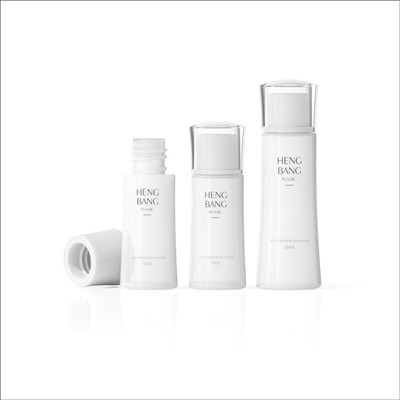
At the end of the day, safe transport of acrylic cream jars comes down to anticipating every possible mishap, whether it’s a heatwave, a courier drop, or a customs delay. As a supplier, your job isn’t just to sell jars—it’s to make sure those jars reach your customer in the same condition they left your workshop, because a damaged jar can ruin a customer’s entire product launch or monthly order. If you’re looking to source high-quality acrylic cream jars that are easy to transport (we design our jars with smooth edges and reinforced bases to reduce scratch risk, and we can work with you to create custom packaging that fits your specific needs), don’t hesitate to connect with our team to discuss your supply and shipping requirements.
Triple Chamber Airless Bottle References
- Cosmetic Packaging Association. (2022). Best Practices for Transporting Thermoplastic Skincare Jars.
- International Courier and Freight Association. (2023). Fragile Packaging Guidelines for Small Cosmetic Shipments.
- National Academy of Packaging Sciences. (2021). Material Compatibility: Acrylic vs. Packaging Wraps for Cosmetics.
- Small Business Shipping Journal. (2022). Palletization Tips for Bulk Cosmetic Shipments.
Yuyao Hengbang Plastic Products Co., Ltd.
As one of the most professional acrylic cream jar manufacturers and suppliers in China, we’re featured by quality products and good service. Please rest assured to wholesale bulk customized acrylic cream jar at competitive price from our factory.
Address: No. 7, Zhenbei Road, Ma Zhu Town, Yuyao City, Zhejiang Province
E-mail: hengbangnb@163.com
WebSite: https://www.yyhengbang.com/
