Hey there! I’m a supplier of fashion apparel fabric, and today I wanna chat about how the breathability of fabric impacts fashion apparel comfort. It might seem like a no – brainer at first, but there’s actually a lot more to it than you might think. Fashion Apparel Fabric
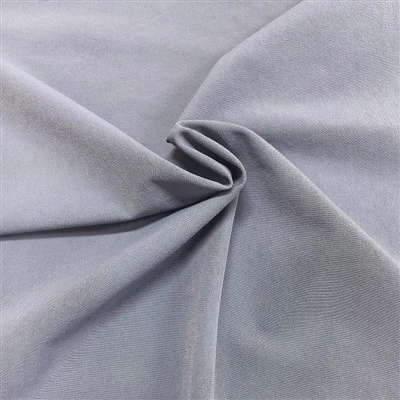
Let’s start with the basics. What exactly is breathability in fabric? Well, it’s all about how well air can pass through the material. You know when you’re wearing a thick, stuffy jacket on a hot day and you start to feel all sweaty and yucky? That’s because the fabric isn’t very breathable. On the other hand, when you wear something light and airy, like a cotton T – shirt, you feel much more comfortable because the air can move through the fabric, taking away the heat and moisture from your skin.
So, why does breathability matter so much when it comes to fashion apparel comfort? First off, it has a huge impact on temperature regulation. Our bodies are constantly producing heat, and we need to get rid of it to stay at a comfortable temperature. If the fabric we’re wearing doesn’t breathe well, all that heat gets trapped next to our skin. This can make us feel hot, sticky, and really uncomfortable. For example, synthetic fabrics like polyester can be great for holding their shape and being durable, but they often don’t breathe as well as natural fibers. I’ve had customers complain that after a long day of wearing a polyester blouse, they feel like they’re in a sauna.
Moisture management is another key factor. We all sweat, whether it’s a little bit when we’re just going about our daily activities or a whole lot when we’re working out. Breathable fabrics help to wick away that moisture from our skin. When the fabric is breathable, the sweat can evaporate more easily. This is because air can circulate and carry the moisture away. If the fabric doesn’t allow for good air circulation, the sweat just sits on our skin, making us feel damp and uncomfortable. Cotton is a great example of a fabric that’s good at moisture management. It absorbs sweat and then allows it to evaporate, keeping us dry and comfortable.
Now, let’s talk about skin health. When our skin is constantly covered in sweat that can’t evaporate because of non – breathable fabric, it can lead to all sorts of problems. For one, it can cause skin irritation. The combination of heat, moisture, and friction from the fabric can lead to rashes, itching, and even infections. This is especially important for people with sensitive skin. A lot of my customers who have skin sensitivities always look for fabrics with high breathability. They know that a breathable fabric will keep their skin happy and healthy.
In the world of fashion, comfort is king. More and more consumers are looking for clothing that not only looks good but feels good to wear. That’s where we, as fabric suppliers, come in. We need to be able to offer fabrics that have the right balance of style and breathability. For instance, in the summer, lightweight and breathable fabrics like linen and bamboo are super popular. Linen has a natural, rustic look that’s very on – trend, and it’s extremely breathable. Bamboo fabric is also a great option. It’s soft, has antibacterial properties, and is very breathable.
But it’s not just about summer clothing. Even in the winter, breathability is important. You might think that thick, warm fabrics like wool are the opposite of breathable, but that’s not entirely true. High – quality wool can actually be quite breathable. It helps to wick away moisture while still providing insulation. This means that even when you’re bundled up in a wool coat on a cold day, you won’t feel all sweaty and gross inside.
As a fabric supplier, I’m always on the lookout for new and innovative ways to improve fabric breathability. There are all sorts of technologies out there that can help. For example, some fabrics are now treated with special coatings that enhance their breathability. These coatings allow air to pass through while still keeping the fabric water – resistant or stain – resistant. It’s a win – win situation.
Another approach is to use special weaves or knits. Different weaves can create different levels of air pockets in the fabric, which affects its breathability. For instance, a loose, open – weave fabric will generally be more breathable than a tight, dense weave. We’ve been experimenting with different weaving techniques to create fabrics that are both stylish and highly breathable.
Now, I wanna talk about how breathability impacts different types of fashion apparel. Let’s start with activewear. When people are exercising, they’re sweating a lot and need their clothing to be highly breathable. That’s why most activewear is made from synthetic fabrics like nylon and spandex that have been engineered to be breathable. These fabrics are designed to wick away sweat quickly and allow for maximum air circulation. This means that athletes can focus on their performance without being distracted by uncomfortable, sweaty clothing.
In the world of formal wear, breathability is also important. You’d think that a suit or a dress for a special occasion would be all about looks, but comfort is just as crucial. No one wants to be feeling hot and stuffy during a long wedding or business meeting. We’ve been working on developing formal fabrics that are both elegant and breathable. For example, we’ve created a new type of silk blend that has the luxurious look of silk but with improved breathability.
So, as you can see, the breathability of fabric has a huge impact on fashion apparel comfort. Whether it’s for everyday wear, activewear, or formal clothing, consumers are demanding fabrics that can keep them comfortable. As a fabric supplier, it’s our job to meet these demands. We need to offer a wide range of fabrics with different levels of breathability to suit different needs and styles.

If you’re in the business of fashion apparel and you’re looking for high – quality, breathable fabrics, I’d love to talk to you. Whether you’re designing summer dresses, winter coats, or activewear, we’ve got the fabrics you need. We can work together to find the perfect fabric for your next collection. So, don’t hesitate to reach out to me for a chat about your fabric needs.
Nylon Fabric References
- Textile Institute. "Handbook of Textile Fibres".
- American Association of Textile Chemists and Colorists. "Research on Fabric Breathability".
- Fashion Industry Council. "Consumer Preferences for Comfort in Fashion Apparel".
Hangzhou Kangsheng Textile Co., Ltd.
Hangzhou Kangsheng Textile Co., Ltd. is one of the most professional fashion apparel fabric manufacturers and suppliers in China. We have world-leading production equipment and strong manufacturing capabilities. Please rest assured to wholesale bulk high quality fashion apparel fabric from our factory. Also, custom service is available.
Address: 22# Building, K7 Original park,No.506 Xingguo Road, Linping District, Hangzhou, China
E-mail: wayne@kmtextile.net
WebSite: https://www.kangshengtextile.com/
