When it comes to well – water systems, the question of whether a mechanical water meter can be used is both relevant and significant. As a supplier of mechanical water meters, my experience and understanding of these devices allow me to provide in – depth insights on this topic. Mechanical Water Meter
The Basics of Mechanical Water Meters
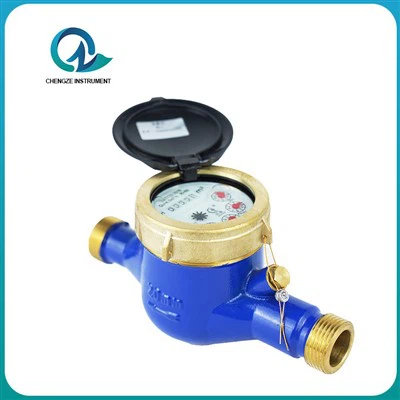
Mechanical water meters are time – tested devices designed to measure the volume of water passing through a pipe. They operate on relatively simple principles. A typical mechanical water meter consists of an inlet and an outlet, with a measuring chamber in between. Inside the measuring chamber, there are rotating elements such as a paddle wheel or a turbine. As water flows through the meter, it causes these rotating elements to spin. The number of rotations is directly proportional to the volume of water that has passed through the meter. The rotations are then translated into volume measurements, which are displayed on a mechanical dial or register.
These meters are known for their durability and reliability. They have been used for decades in various water supply systems, from residential to commercial and industrial settings. Their simple design means there are fewer components that can fail, and they don’t rely on an external power source to function. This makes them relatively low – maintenance and cost – effective in the long run.
Suitability of Mechanical Water Meters for Well – Water Systems
Water Quality
Well water can vary greatly in quality depending on the location and geological conditions. In some areas, well water may be relatively clean, containing only small amounts of sediment and minerals. In such cases, mechanical water meters can work quite effectively. Since they have a mechanical design, they are not overly sensitive to small particles in the water. The rotating elements can handle minor abrasion from sediment, and the meter will continue to provide accurate readings.
However, in regions where well water is rich in minerals such as calcium and magnesium or contains high levels of sediment, there can be challenges. Over time, mineral deposits can build up on the internal components of the mechanical water meter, especially on the rotating elements. This buildup can cause the rotating parts to slow down or even seize up, leading to inaccurate readings or complete meter failure. Sediment can also clog the small passages within the meter, affecting the flow of water and the accuracy of the measurement.
Flow Rate
Well – water systems can have different flow characteristics compared to municipal water systems. The flow rate in a well – water system may be affected by factors such as the pump capacity, the depth of the well, and the demand for water. Mechanical water meters are designed to operate within a specific range of flow rates.
Most mechanical water meters can handle a wide range of flow rates, but the accuracy of the meter may vary depending on the actual flow rate. At low flow rates, some mechanical water meters may not be as accurate because the rotating elements may not rotate as smoothly. On the other hand, if the flow rate from a well – water system is extremely high, it may cause the rotating elements to spin too quickly, potentially leading to wear and tear and inaccurate readings.
Pressure
Well – water systems are often under pressure generated by a pump. The pressure in a well – water system can be different from that in a municipal water supply. Mechanical water meters are designed to withstand a certain range of pressures. If the pressure in the well – water system is within the rated pressure range of the mechanical water meter, it should function properly.
However, if the pressure is too high, it can put excessive stress on the internal components of the meter. This can cause damage to the rotating elements, seals, and other parts of the meter, leading to leaks and inaccurate readings. Conversely, if the pressure is too low, the meter may not operate efficiently, and the rotating elements may not rotate at the correct speed to provide accurate measurements.
Advantages of Using Mechanical Water Meters in Well – Water Systems
Cost – Effectiveness
One of the main advantages of using mechanical water meters in well – water systems is their cost – effectiveness. They are generally less expensive to purchase compared to some electronic water meters. Additionally, since they do not require an external power source, there are no ongoing electricity costs associated with their operation. This makes them an attractive option for well – water users who are looking to keep their costs down.
Simplicity and Reliability
Mechanical water meters are simple in design and have been around for a long time. Their reliability is well – established, and they are less likely to experience technical failures compared to electronic devices. In a well – water system, where the environment may be less controlled and there may be limited access for maintenance and repairs, the simplicity and reliability of mechanical water meters are significant advantages.
Ease of Installation
Installing a mechanical water meter in a well – water system is relatively straightforward. They do not require complex wiring or programming, unlike some electronic water meters. A plumber or a knowledgeable well – system owner can typically install a mechanical water meter without much difficulty, which can save on installation costs.
Mitigating Challenges
Water Treatment
To address the issue of water quality in well – water systems, installing water treatment equipment can be a solution. A sediment filter can be installed upstream of the mechanical water meter to remove large particles from the water, reducing the risk of clogging. A water softener can also be used to reduce the mineral content in the water, preventing the buildup of mineral deposits on the meter’s internal components.
Flow and Pressure Regulation
To ensure that the mechanical water meter operates within its optimal range of flow rates and pressures, flow and pressure regulators can be installed. A flow regulator can control the amount of water flowing through the meter, ensuring that the flow rate remains within the meter’s rated range. A pressure regulator can maintain a consistent pressure in the system, protecting the meter from damage caused by excessive pressure.
Conclusion

In conclusion, a mechanical water meter can indeed be used in a well – water system, but it is important to consider the specific characteristics of the well – water in question. While they offer cost – effectiveness, simplicity, and reliability, there are challenges related to water quality, flow rate, and pressure that need to be addressed. By implementing appropriate water treatment and flow and pressure regulation measures, the performance and longevity of a mechanical water meter in a well – water system can be significantly improved.
Ultrasonic Water Meter If you are considering using a mechanical water meter in your well – water system or have any questions about our products, I encourage you to reach out to us for more information. We are here to provide you with the best solutions for your water measurement needs.
References
- "Water Meter Handbook" by American Water Works Association.
- "Principles of Water Metering and Measurement" by various industry experts in the field of water management.
Shandong Chengze Instrument Co., Ltd.
We’re well-known as one of the leading mechanical water meter manufacturers in China, featured by quality products and good service. Please rest assured to buy high-grade mechanical water meter for sale here from our factory. Also, customized service is available.
Address: No.7, Wensi Road North Industrial Park, Liguan Town, Lanshan District, Linyi City, Shandong Province, China
E-mail: czwatermeter@163.com
WebSite: https://www.cz-watermeter.com/
